


-

Add: HeBei ShengShi HongBang Cellulose Technology CO.,LTD.
-

Email
13180486930@163.com -

CONTACT US
+86 13180486930
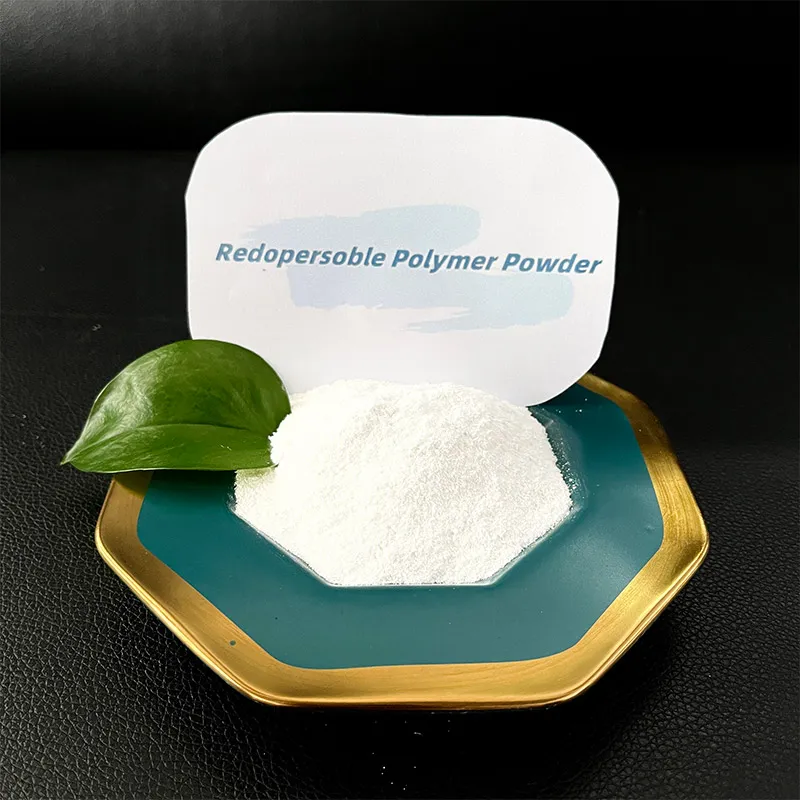
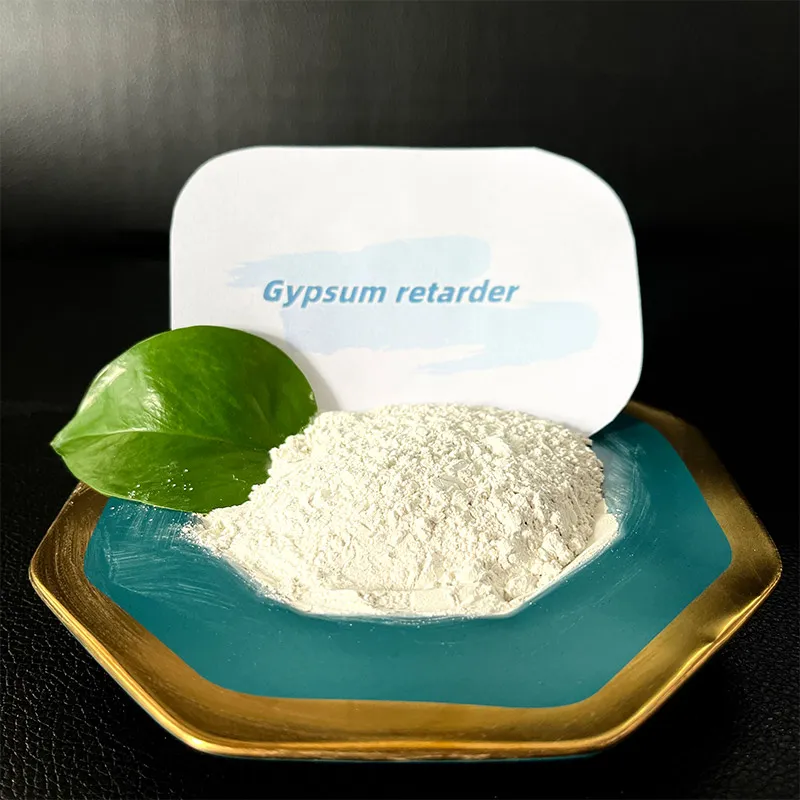
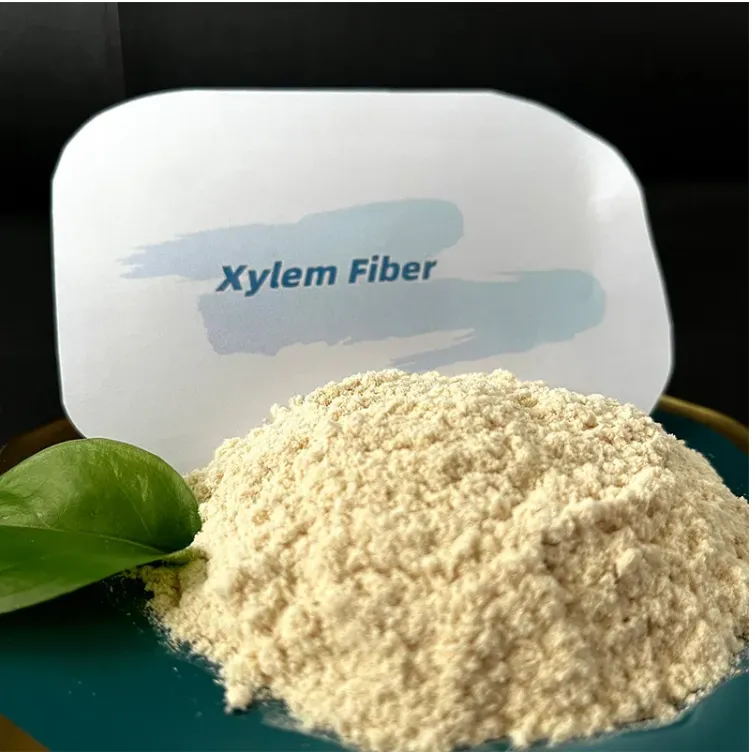


Le Polypropylène Un Acteur Clé dans l'Industrie des Matériaux Le polypropylène, un polymère thermoplastique issu de la polymérisation du propylène, est devenu un matériau incontournable dans diverses industries. Il est largement utilisé en raison de sa polyvalence, de sa légèreté, et de sa résistance aux produits chimiques. Son utilisation s'étend des emballages aux textiles, en passant par les composants automobiles et les biens de consommation. Propriétés du Polypropylène Le polypropylène se distingue par plusieurs propriétés qui en font un choix privilégié pour de nombreuses applications. Tout d'abord, ce matériau est exceptionnellement résistant à la chaleur, ce qui le rend adapté à des environnements où d'autres plastiques pourraient fondre ou se déformer. De plus, il présente une excellente résistance aux chocs, une durabilité qui lui permet de résister à un usage intensif, et il est également imperméable à l'eau, ce qui le rend utile pour les produits ayant des besoins de résistance à l'humidité. Une autre caractéristique remarquable du polypropylène est sa légèreté. Cela permet de réduire le poids des produits finaux, ce qui est particulièrement avantageux dans l'industrie automobile où chaque kilogramme économisé peut améliorer l'efficacité énergétique des véhicules. Enfin, le polypropylène est recyclable, ce qui est essentiel dans une époque où la durabilité et la réduction des déchets sont des préoccupations majeures. Applications du Polypropylène produsen serat polipropilen Les applications du polypropylène sont vastes et variées. Dans le secteur de l'emballage, par exemple, il est utilisé pour fabriquer des films d'emballage, des containers et des bouteilles en plastique. Sa résistance à l'humidité et aux produits chimiques le rend idéal pour les matériaux d'emballage alimentaires, contribuant ainsi à prolonger la durée de conservation des produits. Dans l'industrie textile, le polypropylène est utilisé pour fabriquer des non-tissés, des vêtements, et des tapis. Sa capacité à être teint et à conserver sa forme en fait un choix idéal dans la mode et le design d'intérieur. De plus, dans le secteur automobile, le polypropylène est utilisé pour des pièces intérieures, des panneaux de porte et des composants structuraux, offrant une combinaison de légèreté et de robustesse. Avantages Environnementaux L'un des avantages les plus significatifs du polypropylène est sa recyclabilité. De nombreux pays ont mis en place des systèmes de collecte pour encourager le recyclage des plastiques, y compris le polypropylène. En repensant notre approche de l'utilisation des plastiques, nous pouvons contribuer à la réduction des déchets plastiques dans les décharges. De nombreuses entreprises se tournent vers des matériaux recyclés pour produire de nouveaux produits en polypropylène, favorisant ainsi une économie circulaire. Conclusion En somme, le polypropylène représente un matériau essentiel dans le monde moderne. Sa combinaison unique de propriétés, sa légèreté, sa résistance et sa recyclabilité en font un choix idéal pour une multitude d'applications. Alors que le monde continue de se concentrer sur la durabilité et l'innovation, le polypropylène est bien positionné pour jouer un rôle de leader dans le développement de solutions matérielles durables et efficaces. L'avenir du polypropylène semble prometteur, tant pour les producteurs que pour les consommateurs, dans un monde où les choix de matériaux durables sont de plus en plus déterminants.
- 40000tons

Production
- 20+years

Experience
- 5000+㎡

Acreage

-
HPMC dextran has garnered considerable attention in the field of pharmaceuticals and biomedical applications due to its unique properties, which combine the advantageous traits of both hydroxypropyl methylcellulose (HPMC) and dextran. Products leveraging HPMC dextran are consistently praised for their versatility and effectiveness, established through comprehensive research and user feedback. Developed through the meticulous binding of HPMC, a water-soluble polymer, with dextran, a polysaccharide, this compound offers exceptional film-forming capabilities, stability, and bioadhesive properties. The synthesis involves careful selection of molecular weights and degrees of substitution to optimize the product for intended applications, ensuring it stands out in the competitive market. In terms of expertise, the robust applications of HPMC dextran cover a wide spanning array, from tablet coating to drug delivery systems and even surgical adhesion prevention. With precision control over its solubility and viscosity, HPMC dextran can be tailored to enhance the controlled release of active pharmaceutical ingredients (APIs). This ensures a prolonged therapeutic effect and improved patient compliance, a critical factor in the pharmaceutical industry. One notable application is in ophthalmology, where HPMC dextran is utilized in developing advanced tear substitutes. These formulations mimic natural tears, providing sustained moisture and comfort to patients suffering from dry eye conditions. Clinical studies consistently report high patient satisfaction, underscoring the trustworthiness of products containing HPMC dextran. Patients often note significant improvements in their symptoms, attributing their enhanced comfort to the consistent film-forming capability of HPMC dextran. hpmc dextran The authoritative nature of HPMC dextran also extends to its role in wound care . Its bioadhesive properties promote prolonged contact with wound surfaces, delivering continuous hydration and barrier formation, which are critical in accelerating the healing process. Medical professionals have documented faster recovery times and reduced scarring, enhancing its reputation as a reliable choice in wound management solutions. Research continues to explore this compound's potential, promising future innovations that could further cement its status in the medical community. Trust in HPMC dextran products is further validated by rigorous quality control processes implemented during manufacturing. Adherence to international standards, such as GMP (Good Manufacturing Practice), ensures the reliability and safety of these products. Each batch undergoes extensive testing for purity, potency, and stability, providing assurance to both healthcare providers and patients. Real-world experiences with HPMC dextran reveal its impact on patient outcomes and commercial success. Testimonials from both medical practitioners and end-users highlight the ease of use, effectiveness, and adaptability of HPMC dextran-based solutions. Such positive feedback reinforces its esteemed position in the pharmaceutical industry, continuously driving innovation and research into new applications and delivery forms. In summary, HPMC dextran is an exemplary product in the realm of medical and pharmaceutical applications, offering a combination of expertise, authority, and trustworthiness rarely matched by other compounds. As ongoing research continues to uncover its potential, both patients and healthcare professionals can expect to witness further advancements and benefits, underscoring its invaluable role in improving health outcomes worldwide. This powerful blend of science, trust, and real-world application ensures that HPMC dextran remains at the forefront of pharmaceutical innovation.
-
Hydroxypropyl methylcellulose (HPMC) is widely recognized in the realm of product formulation, particularly in pharmaceuticals, cosmetics, and food industries. Its unique properties make it indispensable, and its applications stretch far beyond its conventional uses, driving innovation across sectors. HPMC stands out primarily for its versatility and efficiency. Pharmaceutical companies frequently use it as a controlled delivery component in tablet formulations. Its ability to form a gel upon contact with water allows for sustained release of the active ingredient, which enhances patient compliance and optimizes therapeutic effects. This quality ensures that medications maintain efficacy over a prolonged period, delivering consistent dosage and reducing side effects. In the cosmetic industry, HPMC is lauded for its exceptional viscosity and texture-enhancing capabilities. It serves as a thickening agent in lotions and creams, providing consumers with a smooth application experience, which is central to customer satisfaction. Furthermore, its non-irritating nature makes it ideal for sensitive skin products, boosting the trustworthiness of formulations containing it. The impact of HPMC extends to the food industry as well, where it is valued for its role as an emulsifier, stabilizer, and thickener. Its inclusion in gluten-free foods, in particular, helps mimic the texture and crumb structure of traditional wheat products, overcoming one of the most significant challenges in gluten-free baking. By improving mouthfeel and moisture retention, it enhances the sensory attributes of gluten-free products, meeting consumer expectations for quality and taste. The multifaceted uses of HPMC are supported by a robust body of scientific research. Studies highlight its compatibility with a wide range of active ingredients and its biodegradability, which aligns with the growing environmental consciousness among consumers and manufacturers alike. Its safety profile is well-documented, with numerous regulatory bodies approving its use across different markets, reinforcing its authoritative standing in product formulation. kegunaan hydroxypropyl methylcellulose Professionals across industries rely on HPMC due to its unparalleled expertise in improving product quality. Its capacity to bind, stabilize, and control release positions it as a superior alternative to other less effective compounds. The ease of integration into existing processes without compromising product integrity underscores its indispensable role in modern manufacturing. Real-world testimonials from industry leaders consistently highlight the reliability and consistency of HPMC in achieving desired product outcomes. These testimonials not only underscore its efficacy but also enhance consumer confidence. Whether it's enhancing tablet performance, stabilizing a cream, or improving the texture of baked goods, HPMC has proven to be a trusted and reliable component. The future of HPMC looks promising, as ongoing research continues to explore novel applications and optimizations. Innovations in encapsulation techniques and sustainable production methods point towards even greater utility and efficiency. For companies focused on delivering high-quality, effective, and sustainable products, HPMC remains a cornerstone of successful product development. In summary, Hydroxypropyl methylcellulose stands as a testament to innovation and trust in product formulation . Its proven track record across multiple industries not only attests to its versatility but also solidifies its reputation for safety and efficacy. As markets evolve and consumer demands become more sophisticated, HPMC's role is poised to expand, supporting a new generation of products that are effective, safe, and environmentally responsible.
advantages
-

200000 Viscosities
Excellent product
We can produce pure products up to 200,000 viscosities
-

40000 tons
High yield
We don’t stop production all year round, and the annual output can reach 40,000 tons
-

24 hours
Quality service
We provide 24-hours online reception service, welcome to consult at any time
———— Inquiry Form
Schedule A services
- serat_kayu_selulosa
Oct . 25, 2025
Hydroxypropyl methylcellulose (HPMC) is gaining attention in the haircare industry for its multiface - methocel_k200m
Oct . 25, 2025
HPMC cellulose, also known as Hydroxypropyl Methylcellulose, is a versatile and essential compound t -
 cement_reinforcement_fibers
Oct . 25, 2025
The Versatile Uses of Hydroxypropyl Methylcellulose Hydroxypropyl methylcellulose (HPMC) is a synthe


